
The Future of Land Surveying: From GPS to 3D Laser Scanning

Land surveying has come a long way. Traditional tape measures, theodolites, and manual sketches once dominated the industry. Today, the field is being reshaped by modern land surveying techniques, creating a landscape that is more precise, efficient, and dynamic than ever before. With ongoing advances in technology, the outlook is promising and filled with opportunity.

From Conventional Methods to GPS Surveying Technology

The Rise of Satellite-Based Positioning

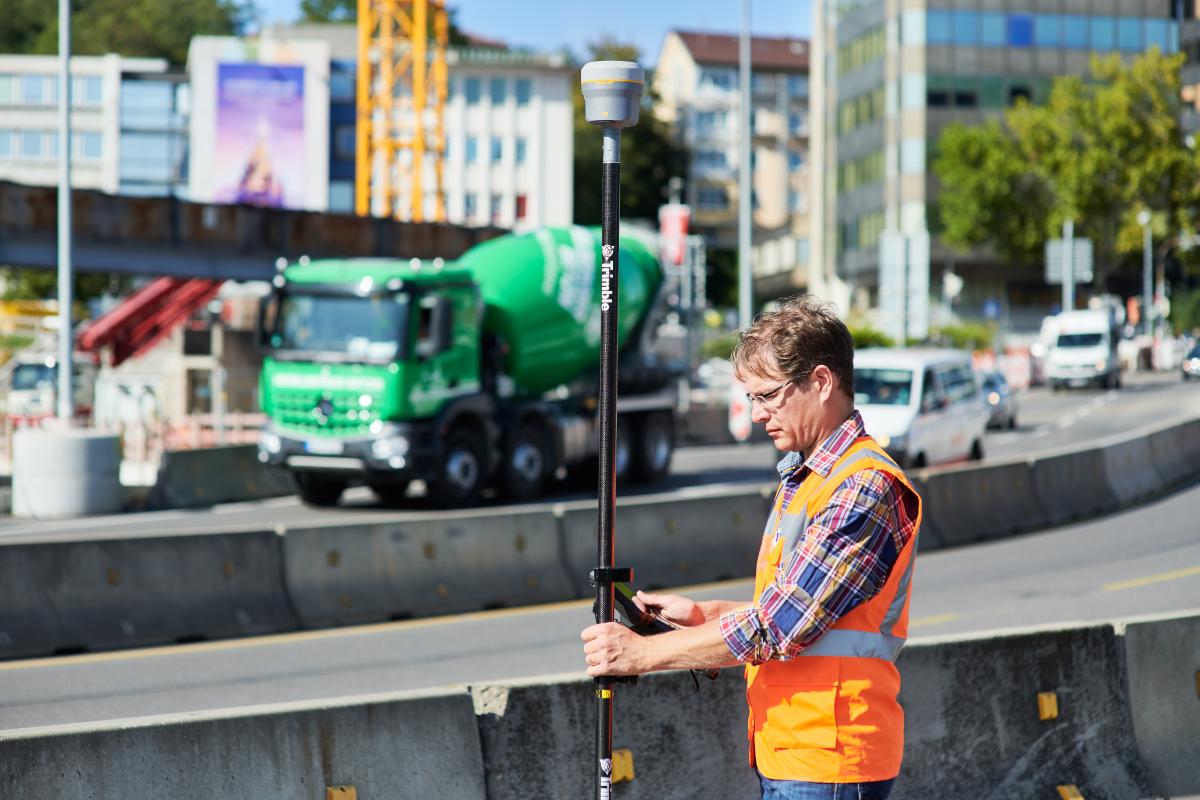
One of the most transformative shifts in land surveying has been the adoption of GNSS (Global Navigation Satellite System) surveying. These systems make use of satellite constellations, such as GPS, Galileo, GLONASS, and BeiDou, to deliver real-time positioning data. This allows surveyors to obtain centimetre-level accuracy on site, particularly when using techniques such as Real Time Kinematic (RTK) corrections.

Efficiency Gains and Control Networks

RTK surveying uses a fixed base station and a mobile receiver (a rover), enabling very precise measurements almost instantly. In other scenarios, surveyors use Post‑Processed Kinematic (PPK) methods, where they collect GNSS data and correct it later to improve accuracy. Static GNSS surveys also provide long-duration control points, helping to build accurate geospatial frameworks for large projects.

These techniques drastically reduce the time spent on site, improve productivity, and shrink the margin for error. As GNSS hardware continues to become more affordable and portable, its use in land surveying keeps growing.

Emerging Developments in Current Land Surveying Methods

Beyond GNSS, surveyors are increasingly turning to a range of advanced surveying methods that push the boundaries of what is possible.

Drones and Aerial Imaging

Unmanned Aerial Vehicles (UAVs), commonly known as drones, have become essential tools in land surveying. Equipped with cameras, multispectral sensors, or LiDAR units, drones fly over terrain and capture vast quantities of data quickly. The benefit is two-fold: they safely access difficult or hazardous terrain, and they produce high-resolution topographic models in far less time than ground teams.

Total Stations and Robotic Surveying

Another staple of modern techniques is the robotic total station. These instruments merge electronic distance measurement with fully automated angle tracking. A single operator can control a robotic total station remotely, speeding up data collection and reducing the risk of human error. Reflectorless models make it possible to measure points without needing a prism, which is particularly useful on complex or hazardous sites.

The Revolution of 3D Laser Scanning Surveying

Two construction workers in safety vests and hard hats survey a dirt construction site with a transit level

At the heart of the most exciting change in the profession is 3D laser scanning surveying, also called LiDAR (Light Detection and Ranging) or terrestrial laser scanning (TLS).

Capturing the World in Point Clouds

Laser scanners emit rapid pulses of laser light and measure the time it takes for each pulse to bounce back. The result is a dense “point cloud” of millions of three-dimensional data points that form a highly detailed model of terrain, objects, buildings, or infrastructure. This enables surveyors to produce digital representations with millimetre-level precision.

Scanning Modes and Mobility

There are different modalities of 3D laser scanning. Terrestrial laser scanning (TLS) is suitable for fixed, ground-based surveys such as buildings, tunnels, or rock faces. Mobile LiDAR systems integrate scanners with moving platforms like vehicles. For very large and remote areas, aerial LiDAR mounted on drones or aircraft enables rapid topographic data collection across wide swathes.

Accuracy, Change Detection, and Monitoring

One powerful application of TLS is detecting changes over time. For instance, a study measured complex canyon topography using repeated scans and could detect differences as small as 6 mm. These techniques help monitor erosion, deformation, or structural shifts in natural or built environments.

Bringing Technologies Together to Shape the Next Era of Surveying

Synthesising Technologies

The future of surveying lies not in a single magic tool but in the integration of multiple technologies. GNSS, drones, robotic stations, LiDAR, and GNSS-enabled aerial platforms can work together. For example, GNSS is used for georeferencing point clouds generated by laser scanning, and drones provide aerial coverage while ground teams validate key control points.

Smart Data Processing

Advanced data processing has become indispensable. High-density point clouds, GNSS observations, and aerial images all feed into software systems and cloud platforms. Real-time data upload, combined with rapid correction, means surveyors can check the quality of work on site. Integration with Geographic Information Systems (GIS) helps to visualise, analyse, and interpret spatial data, making survey results more meaningful for planning and construction.

Artificial Intelligence, Machine Learning, and Reality Capture

Artificial intelligence is beginning to influence the way survey data is processed. Machine learning algorithms can detect features in point clouds, classify terrain types, and even predict future changes. Reality capture with 3D laser scanning generates digital twins of the environment. These models feed into building information modelling (BIM), augmented reality, or virtual reality environments, allowing clients and stakeholders to interact with precise simulations of their site.

Challenges and Considerations

No technology is risk-free or free of trade-offs. High-precision GNSS systems require a robust base‑station setup and ideal satellite visibility. Dense vegetation or urban canyons can reduce signal quality. Laser scanners produce enormous volumes of data, meaning on-site scanning may be fast, but post-processing takes time and storage.

Cost is another factor. While purchasing LiDAR and high-end drones represents a large initial investment, many organisations find that reduced labour and faster turnaround justify the expense over time. Skilled staff are needed to operate these advanced tools and to process the data responsibly.

Looking Ahead

In the next decade, advanced surveying methods are likely to get even more powerful. GNSS hardware is expected to become more accurate and reliable, even under difficult conditions. Drones may fly autonomously for multi-session mapping missions, with LiDAR-based SLAM (Simultaneous Localisation and Mapping) enabling repeat surveys over time. Virtual and augmented reality will offer immersive ways to visualise survey results.

These innovations support smarter decision-making across industries: urban planning, infrastructure development, environmental monitoring, and construction management. As precision improves and cost comes down, modern surveying technologies will become standard for large and small-scale projects.

The Role of Surveyors in Tomorrow’s World

Land surveyors in Melbourne will remain essential even as technology changes. Their expertise ensures that data is collected, validated, and interpreted correctly. The shift from old‑school manual methods to modern land surveying techniques means that professionals need to upskill in working with GNSS, processing point clouds, using cloud software, and interacting with BIM platforms.

Surveyors who embrace 3D laser scanning surveying and other advanced tools will be better placed to serve clients who demand accuracy, speed, and rich digital deliverables. Forward-thinking firms that integrate these innovations position themselves as leaders in the future of surveying.

Conclusion

The world of land surveying is changing fast. From GPS surveying technology to 3D laser scanning, new techniques make data richer, projects safer, and work more efficient. The focus is shifting from tools alone to smart integration of platforms, software, and real-time data. As these solutions become more accessible, surveyors can offer stronger value and accuracy. For major projects, working with topographic land surveyors in Melbourne who use modern workflows ensures precise results and smooth progress from planning to construction.

Ready to step into the future? Trust GREATER MELBOURNE SURVEYORS to bring precision, innovation, and reliability to your next project.

Top 5 Mistakes Homeowners Make When Extending Without a Survey

Extending a home is an exciting project that promises more space, improved functionality, and increased property value. However, skipping a professional survey can quickly turn a dream extension into a costly and stressful problem. Many people underestimate the importance of accurate planning, measurements, and regulatory compliance. Without a proper survey, projects are prone to mistakes that may lead to legal disputes, structural challenges, and unexpected expenses.

Understanding the common pitfalls associated with building an extension without a survey helps people plan more effectively and avoid setbacks. Combining professional guidance with practical surveying tips can save time, money, and stress. We have compiled this detailed blog to explore the top five mistakes homeowners make when extending without a survey and how to prevent them.

1. Misjudging Property Boundaries

One of the most frequent errors in home extensions is misinterpreting property lines. Without a survey, you may risk constructing extensions over neighbouring property or public land, which can lead to legal disputes and the potential need to remove or modify the structure. Home extension survey mistakes often arise when boundaries are assumed based on old plans, visual markers like fences, or neighbouring structures.

Why This Happens

Many people rely on visual cues instead of verified documentation. Fences, garden edges, or older plans can be misleading. Over time, property boundaries can shift due to previous renovations, easements, or survey inaccuracies, creating ambiguity.

Consequences

  • Potential legal disputes with neighbours
  • Requirement to demolish or modify the structure
  • Delays in obtaining permits or approvals
  • Possible fines or penalties from local councils

How to Prevent It

Hiring a professional land surveyor in Melbourne helps in the precise measurement of property lines. Verified surveys provide clear documentation, protecting you from disputes and guaranteeing that all construction remains within legal boundaries. Professional surveys also help in planning extensions that respect neighbouring properties, public access ways, and easements.

2. Ignoring Zoning and Building Regulations

Another common error is overlooking zoning laws and building regulations. Constructing a building extension without a survey often results in violations of council guidelines, which can cause costly delays or legal complications. Zoning restrictions dictate the height, setbacks, and overall design of extensions, while building regulations focus on safety, structural integrity, and compliance with construction standards.

Common Pitfalls

  • Ignoring height restrictions, setbacks, and lot coverage
  • Failing to check easements or rights of way
  • Overlooking heritage overlays or protected zones
  • Not verifying fire safety or energy efficiency requirements

Why Homeowners Skip This Step

A construction site with a freshly dug trench, white geotextile fabric, and a surveying tripod in a forest

Some people assume their extension is minor and does not require regulatory compliance, or they rely on builders’ advice without verifying council rules. This approach can lead to costly modifications after work has begun.

Expert Advice

Professional surveys often integrate regulatory compliance checks. Homeowner surveying tips recommend consulting both surveyors and local councils before beginning construction. Early verification identifies potential conflicts, helps with planning permits, and ensures that the extension complies with all local standards, reducing the likelihood of unexpected issues.

3. Incorrect Measurements and Layouts

Accurate measurements are the backbone of any successful extension. Common land surveying errors include miscalculating dimensions, ignoring the slope of the land, and failing to account for existing structures. Even minor measurement mistakes can snowball into significant challenges during construction.

Consequences

  • Structural misalignment or instability
  • Wasted materials and increased project costs
  • Difficulty in integrating new rooms with existing layouts
  • Reduced aesthetic appeal or functionality of the extension

How Surveys Solve This

Professional surveys, including a setting-out survey, provide precise layout plans and topographical data. These surveys guide builders in positioning foundations, walls, and other structural elements correctly. Accurate survey data prevents errors that could result in unsafe construction or costly rework.

Tips for Homeowners

  • Review survey data thoroughly before construction
  • Confirm measurements with your builder on-site
  • Consider additional surveys for complex terrains or sloping plots
  • Use survey results to optimise space, sunlight, and ventilation

4. Overlooking Underground Services

People often forget about hidden utilities when planning an extension. Skipping a survey increases the risk of hitting water pipes, gas lines, or electrical conduits. Such oversights pose safety hazards and can result in expensive repairs, fines, or interruptions to the project.

Common Issues

  • Damaging water or sewer lines during excavation
  • Cutting through electrical or gas connections
  • Uncovering outdated or abandoned utilities

Prevention Strategies

Professional surveys map underground services, providing a comprehensive understanding of what lies beneath the site. Builders can reference survey data to plan excavation safely and avoid dangerous or disruptive incidents.

Practical Advice

Coordinate with local utility providers and consult detailed survey reports. This proactive approach minimises risks, protects the safety of workers, and guarantees uninterrupted progress throughout the project. Overlooking underground services is a common source of delays and additional costs, which can be easily avoided with proper surveying.

5. Underestimating Site Conditions

Ignoring the natural characteristics of a property is another frequent mistake. Soil type, slope, drainage, and vegetation can all impact construction feasibility and costs. Failing to account for these factors often leads to structural issues and unexpected project expenses.

Potential Challenges

  • Uneven terrain is causing foundation instability
  • Poor drainage leading to flooding or erosion
  • Hard or rocky soil complicates excavation and construction
  • Tree roots or vegetation interfering with foundations

How Surveys Help

Surveyors provide detailed topographical and geotechnical data, enabling homeowners and builders to design foundations that accommodate soil conditions and drainage requirements. Understanding the site’s natural characteristics allows for effective planning, preventing costly errors and delays.

Additional Tips

  • Consider slope and water flow in landscaping and drainage
  • Assess vegetation impact before planning construction
  • Consult experts on foundation requirements based on soil type

Extra Surveying Tips

  • Always request updated survey reports before any construction begins.
  • Keep copies of all survey data for ongoing reference.
  • Consult professionals for advice on complex boundaries or zoning issues.
  • Use survey results to guide design, layout, and material planning.
  • Confirm that contractors understand and adhere to survey data.
  • Schedule periodic checks during construction to compare progress with the survey plan.
  • Incorporate advice on drainage, slope, and soil conditions.
  • Plan for any potential impact on neighbouring properties.
  • Verify easements, utility lines, and rights of way early in the planning phase.
  • Coordinate with a land surveyor to resolve unclear property lines.

Common Mistakes Summarised

  • Misjudging property boundaries without accurate surveys.
  • Ignoring zoning and building regulations.
  • Relying on inaccurate measurements or outdated layouts.
  • Failing to account for underground utilities.
  • Underestimating site conditions like soil, slope, and drainage.
  • Not keeping detailed survey records for reference.
  • Assuming minor extensions do not require professional guidance.
  • Skipping consultation with local authorities on permits.
  • Misaligning extensions with existing property structures.
  • Ignoring easements, rights of way, or public access considerations.

Summing It Up

Avoiding these common mistakes can save you time, money, and stress when planning a property extension. Most property extension mistakes arise from skipping professional surveys or relying on assumptions rather than verified measurements and data. Accurate surveys, professional advice, and adherence to regulations form the foundation of a safe, successful, and hassle-free home extension.

If you are planning an extension, contact GREATER MELBOURNE SURVEYORS for expert guidance, detailed surveys, and peace of mind. Comprehensive survey services protect your investment, prevent disputes, and provide confidence in all stages of the construction process.