
When you look at your backyard, do you see just grass, or do you see a smart way to grow your money? A lot of property owners are realising that a residential Melbourne subdivision is one of the best ways to build long-term wealth.
By splitting a bigger block into two or more smaller pieces, you can boost your property’s value or create the perfect spot for a new home.
That said, it isn’t as simple as just drawing a line on a map. You have to deal with council requirements, zoning and specific building standards to make sure everything is completed the right way.
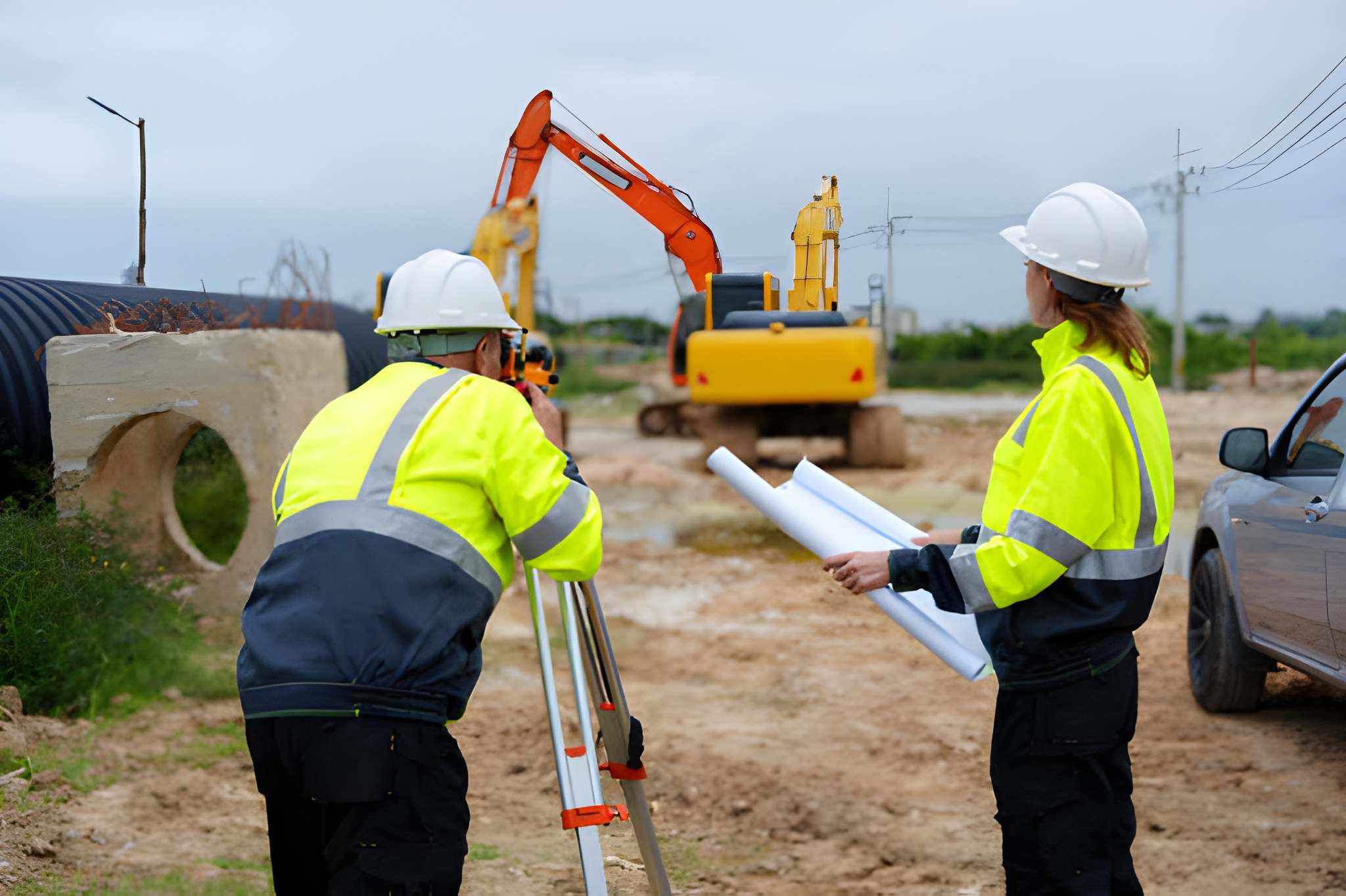
Before you jump into selling off part of your land, you really need to look at the technical side of things. Bringing in a land surveyor in Melbourne is easily your best move. As experts who figure out your exact property boundaries and make sure your plans fit what the local council requires.
Working with experienced Melbourne surveyors early on can save you a huge amount of stress and keep you from wasting money on plans that won’t get approved. They give you the clear facts that your architects and builders need to get the job done.
Budgeting for Your Project
Subdividing isn’t free, and costs can change depending on how big your block is and how tricky the site might be. You’ll need to set aside money for council applications, planning permits, and connecting new utilities/ services like power and water.
Council Planning Fees: You’ll need these to get your official application started.
Surveying: This covers the cost of mapping the land and organizing drainage or utility setups.
Construction Costs: If you’re planning to build a new house, this will be your biggest bill.
Legal Fees: You’ll need help with the paperwork to create new titles for the land officially.
My advice? Always keep a “rainy day” fund of at least 15% of your total budget. Sometimes you run into surprises, like tricky soil or trees that need special protection, and you don’t want that to stop your progress.
Your Simple Roadmap to Success
Getting from one single lot to multiple titles takes a clear, step-by-step plan. To keep your project moving smoothly and avoid having your plans sent back, follow these simple steps:
Step 1
Check Feasibility: Look at your local zoning to make sure your land is actually allowed to be split.
Step 2
Get a Site Analysis: Bring in an expert to create a land surveyor subdivision analysis, which finds any hidden issues like easements or legal restrictions.
Step 3
Formal Land Survey: Use a professional for the Melbourne subdivision land survey so your boundaries are accurate and all features are captured.
Step 4
Send to Council: Submit all your reports and plans to your local council to get the green light.
Step 5
Get Your Titles: Once everything is signed off, you’ll finalize the legal paperwork to officially create your new, separate land titles.
Planning Makes All the Difference
It’s tempting to rush, but taking your time on the planning phase is a smart move. If your application is missing details or doesn’t match the “vibe” of your neighborhood, the council will likely slow you down. Greater Melbourne Surveyors suggests having a chat with your local council before you finalize anything, so that you know what they expect.
Good planning helps you get the most out of your land while keeping the original property looking great. Whether you’re adding a duplex or a new house, making sure the driveway and building placement are right is just as important as the land size itself.
Mistakes to Avoid
Even people who have done this before can hit snags. A common one is forgetting about how the new lot will get its water, gas, or power. If connecting these services turns out to be more expensive than you thought, it can really hurt your final profit.
Also, try not to ignore the character of your street. If your new design looks completely different from everything else around it, the council might say no. Professional Melbourne surveyors can help you strike the right balance, making sure your plans follow the rules while still hitting your financial goals.
Getting the Best Return on Your Investment
At Greater Melbourne Surveyors, we talk to a lot of people who are worried about the mountain of paperwork involved. It might look daunting, but if you manage the project well, the payoff can be huge. Whether you’re building a place to live or an investment to rent, a well-planned subdivision is a powerful real estate move.
Just remember that this isn’t an overnight project. It usually takes anywhere from 6 to 18 months from the first survey to getting your new titles in hand. Stay patient and rely on the experts to guide you.
At the end of the day, a residential Melbourne subdivision is a great way to use your land to build a stronger financial future.
Quick Highlights:
Check feasibility first: Don’t spend a cent on designs until you know the zoning allows it.
Expect the unexpected: Keep that 15% contingency fund ready just in case.
Use the experts: You legally need a licensed surveyor to get the job done right.
Focus on the title: The end goal is creating that new, separate title to unlock your equity.
Stay patient: It’s a process, so don’t try to force your way through council planning too quickly.
Frequently Asked Questions:
1. How long does the average subdivision take in Melbourne? It usually takes about 6 to 18 months. It really just depends on how complicated your site is and how quickly the local council processes the application.
2. What if my land has an easement on it? That doesn’t always stop you, but it matters. An easement means someone else (like a water authority) has a right to use part of your land. A Licensed Land Surveyor can assist in working around this encumbrance.
3. Do I have to build a house to subdivide? No. You can subdivide the land into vacant lots and sell them as-is, or you can build houses on them first. Then again you can get approved plans then subdivide without building.
4. What’s the difference between a planning permit and a building permit? Think of the planning permit as permission to subdivide the land, and the building permit as the green light to build the physical dwelling.
5. How much value does this actually add to my property? It changes based on where you live and how many people want to move into your area, but generally, the value of the two new lots is much higher than the single lot you started with.